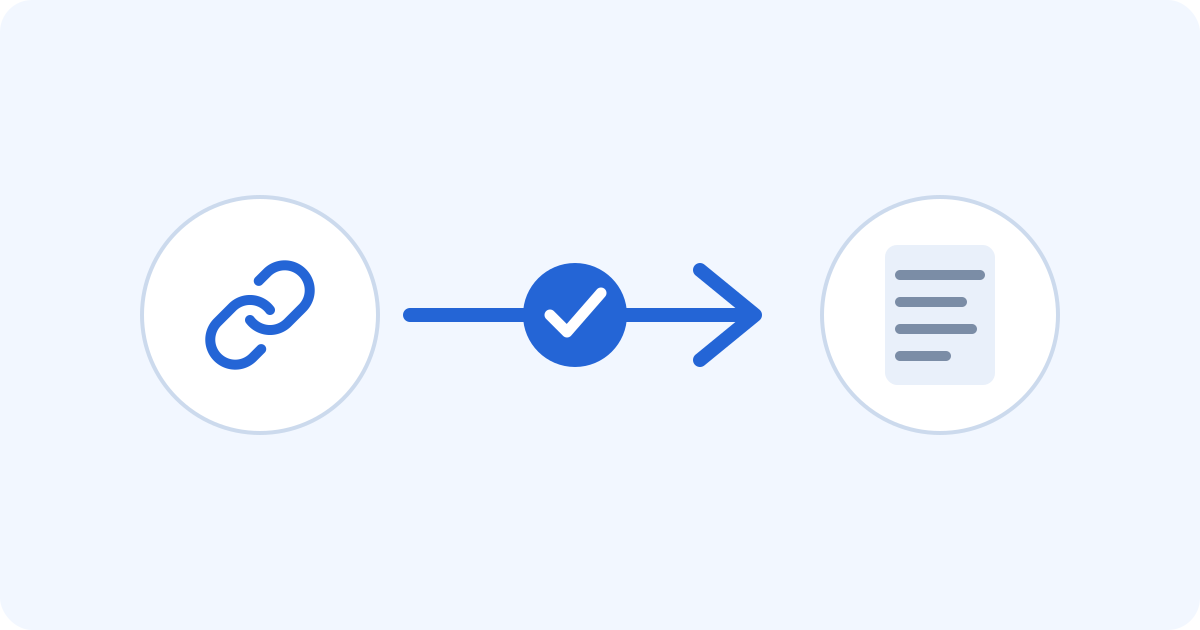
A URL shortener stores a long destination address and gives it a shorter address. The short address acts as a pointer: when a browser requests it, the service sends the browser to the original page.
What happens when someone clicks?
Shortsy looks up the short code and returns an HTTP 302 redirect. The browser follows that redirect to the destination. The shortener does not copy or host the destination page.
This also means a short link depends on two things remaining available: the shortening service and the original website. If the original page disappears, shortening its address cannot bring it back.
Why use a shorter address?
Short links fit more neatly in messages and printed materials. They also reduce the visual clutter of long query strings. If you have verified your email with Shortsy, you can change the stored destination without changing the short address you already shared.
What a short link does not tell you
A short address hides the full destination from view. Treat unexpected links with the same care you would treat any unfamiliar web address. A familiar shortener name does not mean the destination is endorsed or safe.
If a Shortsy link appears harmful, use the report form. Include the short address so it can be reviewed.